address
Noble Park VIC 3174
Concreting is a fundamental aspect of construction, providing the foundation for various types of structures, from residential homes to commercial buildings. It is a versatile material known for its strength, durability, and long-lasting qualities. Whether it's a driveway, a walkway, or an entire building, concreting plays a crucial role in creating solid and reliable surfaces that can withstand heavy loads and extreme weather conditions.
One of the most significant advantages of concreting is its adaptability. It can be customized to meet the specific needs of a project, from the mixture used to the finish applied. There are many types of concrete, including standard, reinforced, and exposed aggregate, each suited to different applications. This flexibility ensures that concrete can be used for a variety of purposes, whether for structural support, decorative surfaces, or both.
Durability is a key factor when choosing concreting for a project. Concrete is known for its resistance to wear and tear, making it an ideal choice for high-traffic areas such as driveways, footpaths, and public spaces. Its ability to withstand heavy loads and harsh weather conditions without deteriorating quickly ensures that it remains a reliable and cost-effective option for long-term use.
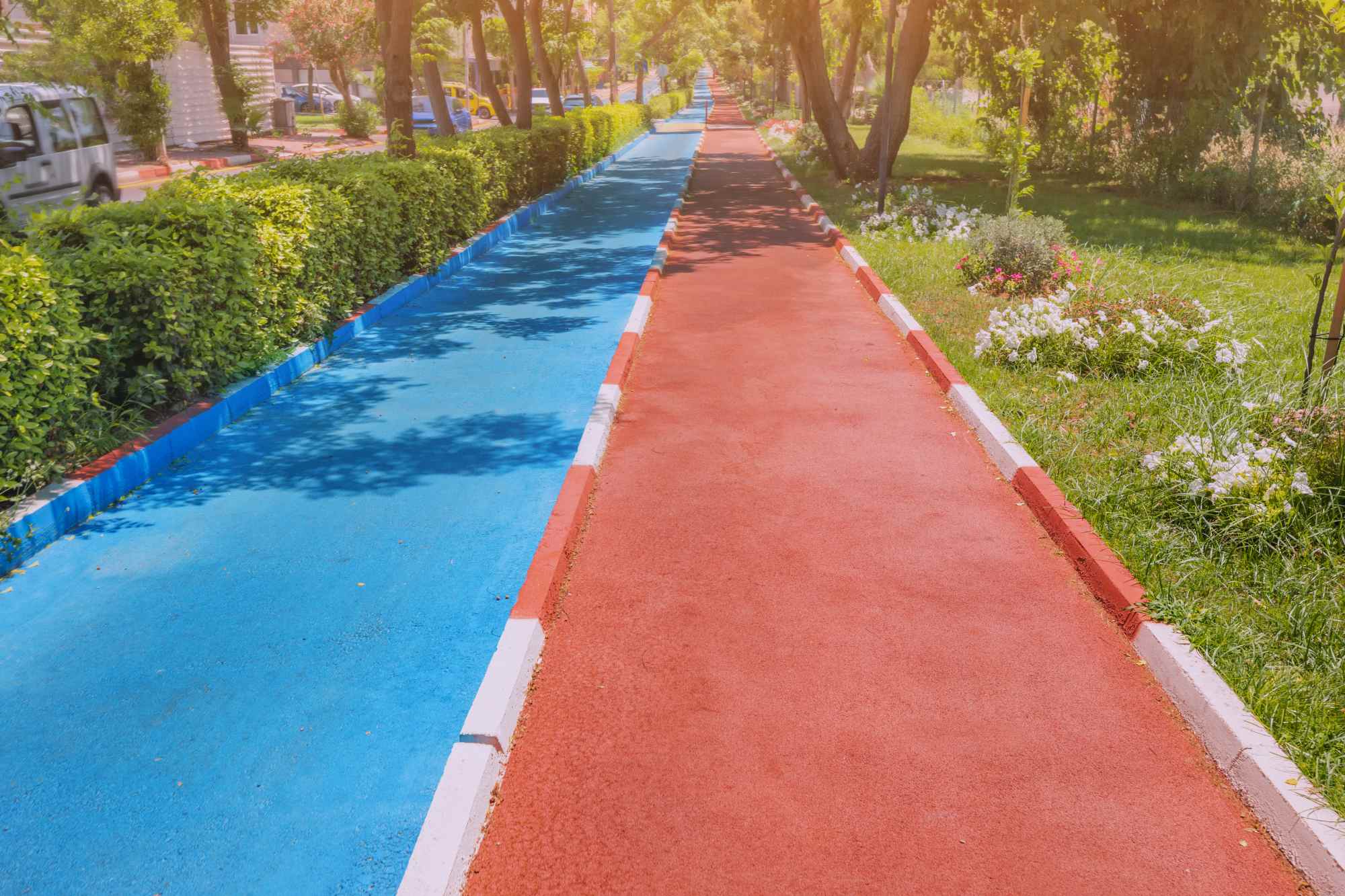
Coloured concrete is an innovative solution that adds both durability and aesthetic appeal to any project. By integrating pigments into the concrete mix, a wide range of vibrant shades and tones can be achieved, transforming ordinary surfaces into eye-catching design elements. This makes it an ideal choice for both residential and commercial applications, where the visual impact is as important as the functionality of the concrete itself.
The process of creating coloured concrete involves adding either powder, liquid, or granular pigments to the concrete mixture. These pigments are designed to blend seamlessly with the concrete, ensuring that the colour is evenly distributed throughout the material. This method produces a uniform colour that won’t fade over time, as it is embedded deep within the surface rather than being applied as a coating.
One of the key benefits of coloured concrete is its ability to enhance the appearance of outdoor areas. Driveways, patios, and walkways can be transformed into beautiful, decorative surfaces that complement the surrounding landscape or architecture. Whether opting for earthy tones to blend with natural elements or bold hues to create contrast, coloured concrete offers endless design possibilities for homeowners and business owners alike.
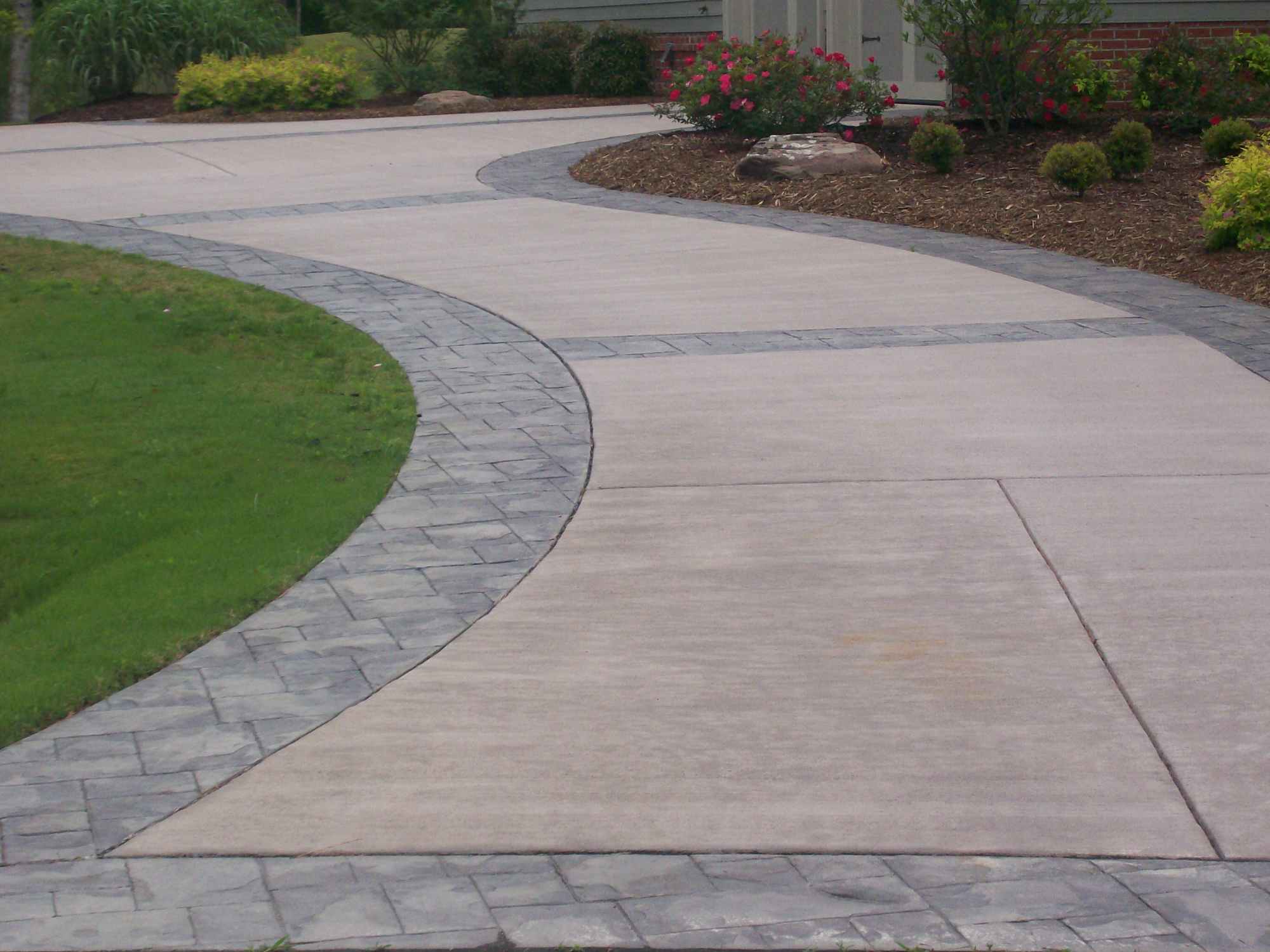
Concrete driveways are a popular and practical choice for homeowners and businesses alike, offering a combination of strength, durability, and aesthetic appeal. Known for their ability to withstand heavy loads and resist wear and tear, concrete driveways are designed to last for decades with minimal maintenance. This makes them a cost-effective investment for anyone looking to enhance the functionality and curb appeal of their property.
One of the main benefits of concrete driveways is their longevity. Concrete is a highly durable material that can endure the daily stresses of vehicles, weather conditions, and foot traffic without deteriorating quickly. Unlike other driveway materials such as asphalt or gravel, concrete is resistant to cracking, shifting, or sinking when properly installed, ensuring a smooth and stable surface for years to come.
Another advantage of concrete driveways is their low maintenance requirements. With proper sealing and occasional cleaning, a concrete driveway can maintain its appearance and structural integrity for many years. Sealing helps to protect the surface from stains, water damage, and the effects of freeze-thaw cycles, while regular cleaning prevents the buildup of dirt, oil, and debris. This ensures that the driveway remains not only functional but also visually appealing.
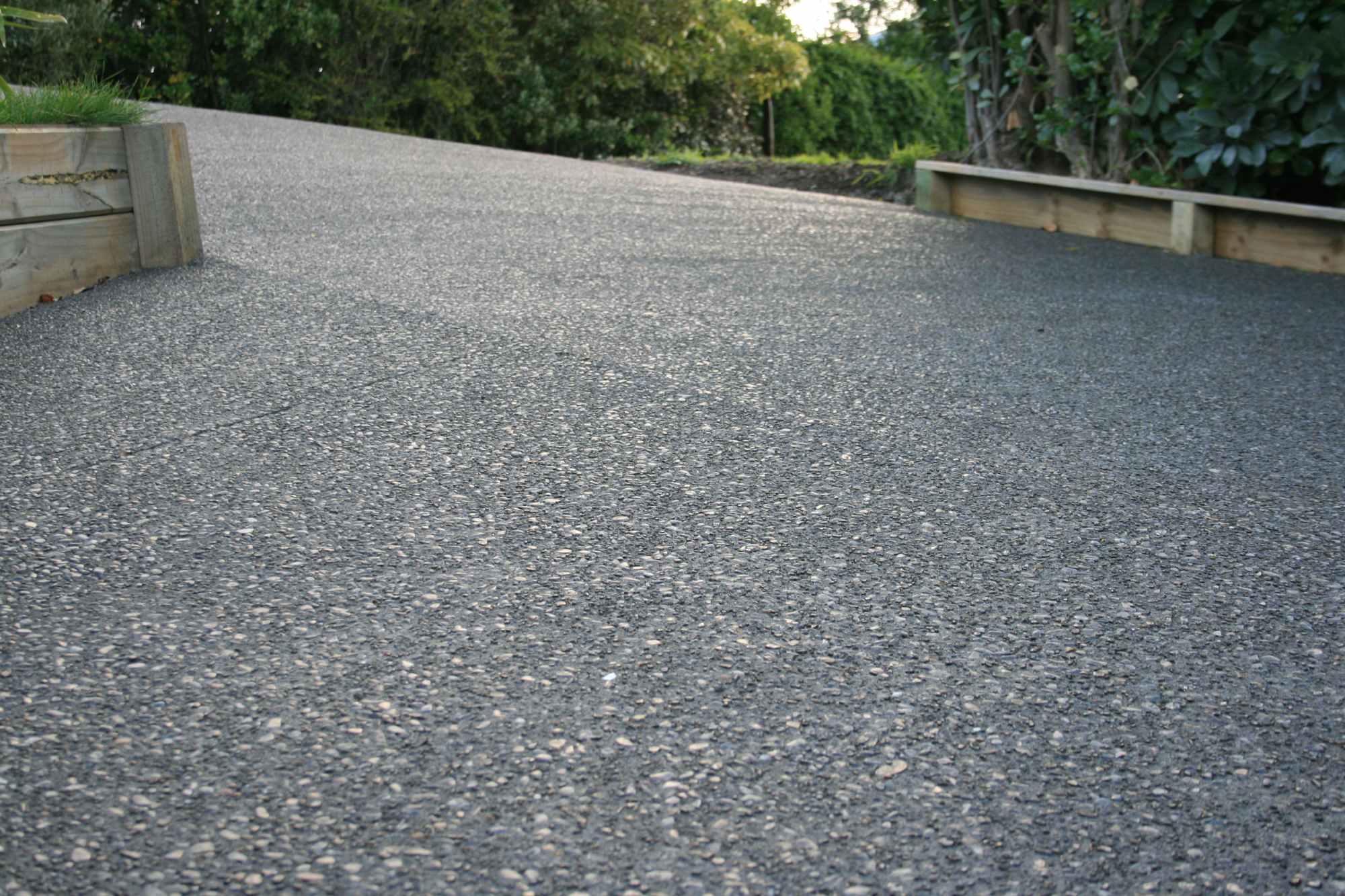
Exposed aggregate concrete is a unique and visually appealing option that combines durability with aesthetic charm. This technique involves the removal of the top layer of concrete to reveal the natural textures and colors of the aggregates embedded within. The result is a striking surface that showcases a variety of stones, pebbles, and minerals, making it a popular choice for driveways, patios, walkways, and decorative landscaping elements.
One of the primary benefits of exposed aggregate concrete is its durability. Like traditional concrete, it can withstand heavy loads, resist wear and tear, and endure harsh weather conditions. The aggregates used in this finish not only enhance the appearance but also contribute to the concrete's strength, ensuring a long-lasting surface that can handle everyday use without significant damage.
In addition to its robust nature, exposed aggregate concrete offers a range of design possibilities. Homeowners and businesses can choose from various types of aggregates, including colorful stones, quartz, or even recycled materials, to achieve a unique look tailored to their aesthetic preferences. The combination of different aggregate types and sizes allows for endless customization, enabling the creation of distinctive surfaces that stand out.
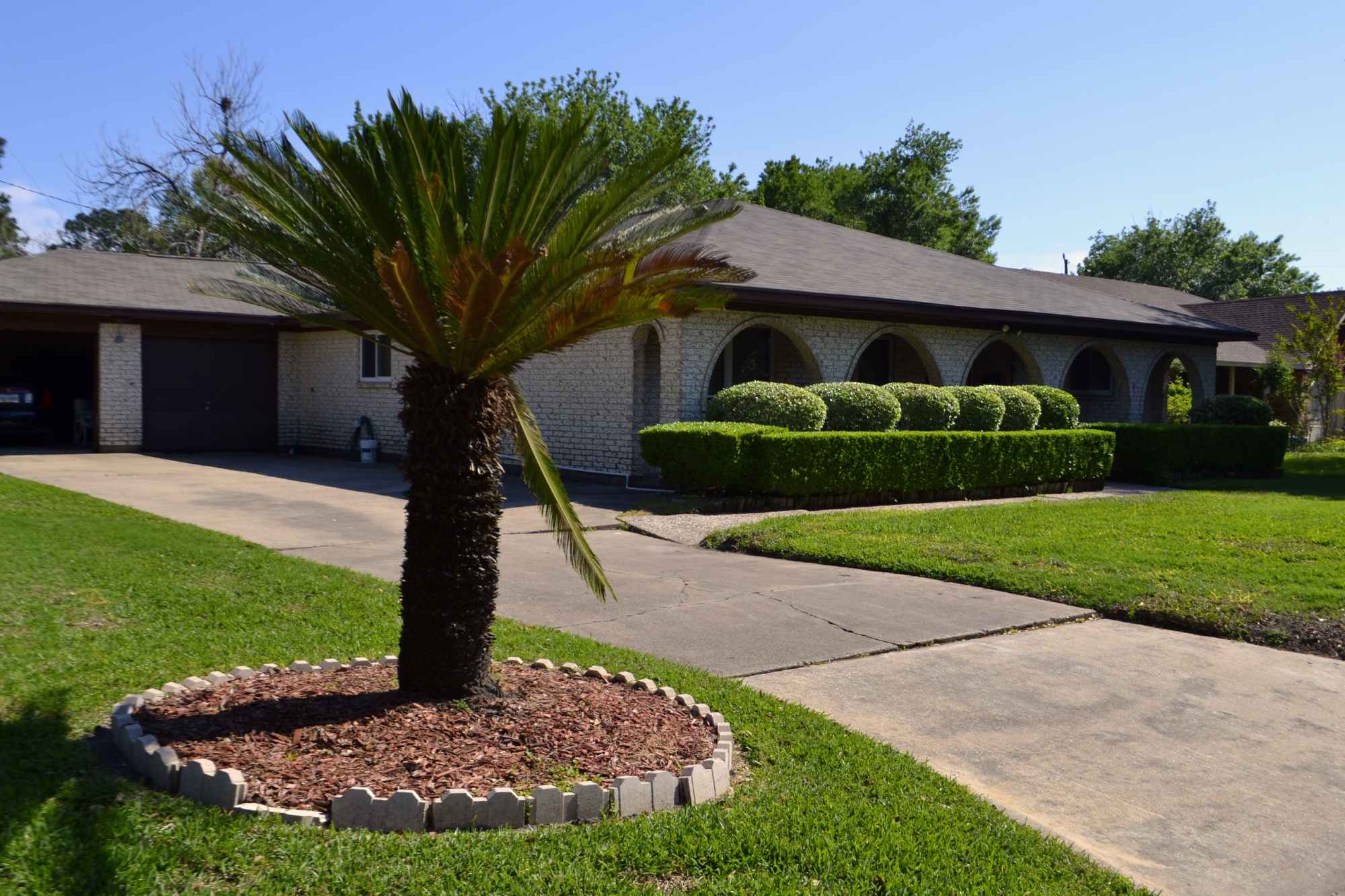
Landscaping is a vital component of property development that enhances both the aesthetic and functional aspects of outdoor spaces. It involves the design, installation, and maintenance of various elements such as plants, hardscapes, and structures to create a cohesive and inviting environment. A well-executed landscaping project can transform an ordinary yard into a stunning outdoor oasis, adding value and curb appeal to any property.
One of the primary benefits of landscaping is its ability to improve the overall appearance of a property. Thoughtful design and planning can create a harmonious balance between natural elements and architectural features, resulting in a visually appealing outdoor space. From lush gardens and vibrant flower beds to well-manicured lawns and decorative pathways, landscaping allows property owners to express their personal style and create a welcoming atmosphere.
Landscaping also contributes to environmental health by promoting biodiversity and supporting local ecosystems. Incorporating native plants and trees can attract beneficial wildlife, such as birds and pollinators, while also improving air quality and reducing urban heat. Thoughtful landscaping design can create natural habitats, encourage sustainability, and contribute to the overall health of the environment.
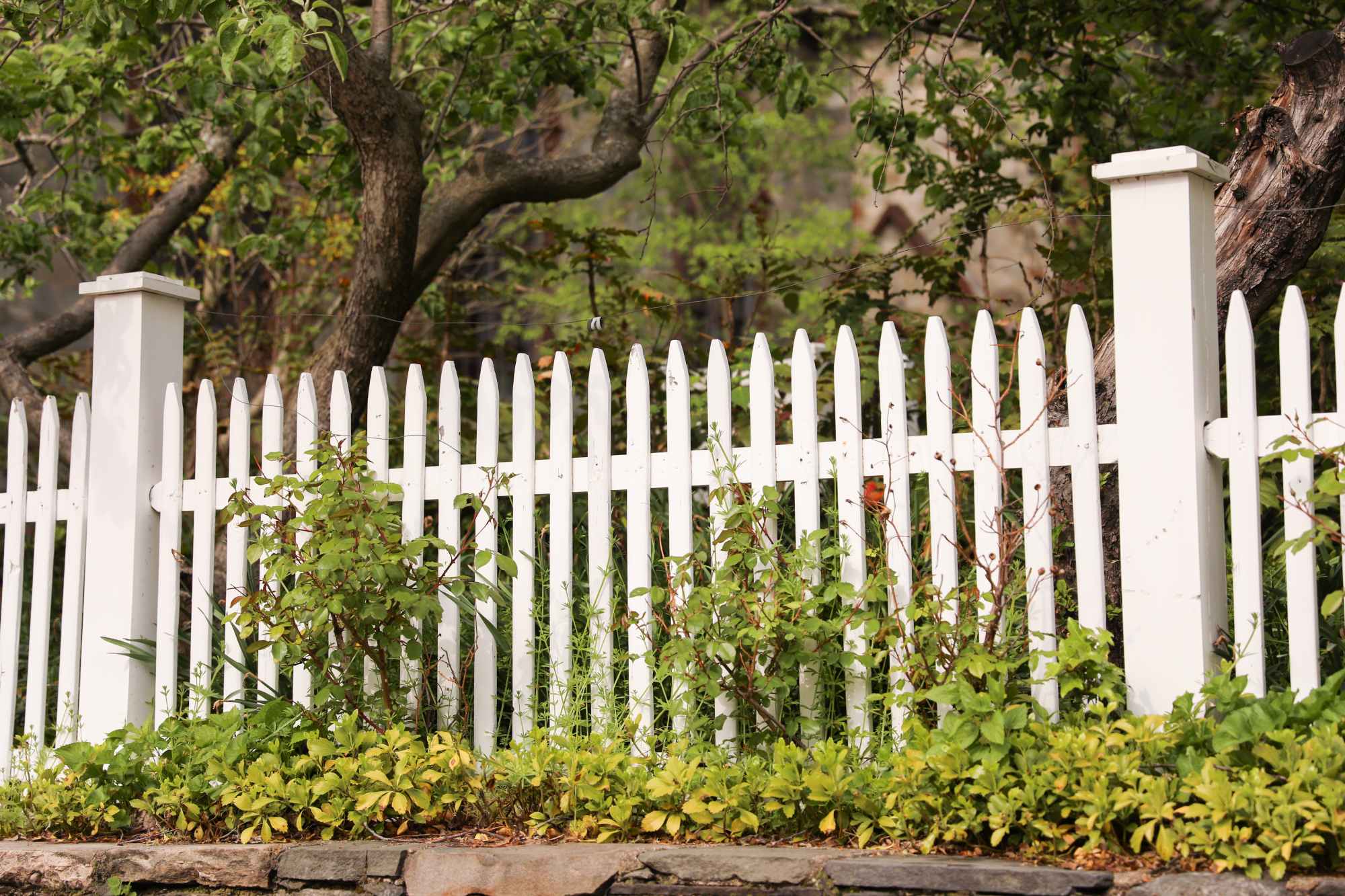
Fencing is an essential element of property management that serves multiple purposes, including security, privacy, and aesthetic enhancement. It involves the installation of barriers around a property, using various materials such as wood, vinyl, metal, or chain-link, to define boundaries and create a sense of enclosure. A well-constructed fence not only adds to the visual appeal of a property but also provides practical benefits that enhance the overall living experience.
One of the primary functions of fencing is to provide security and protection. A sturdy fence acts as a deterrent against trespassers and unwanted intruders, helping to keep homes and gardens safe. For families with children or pets, fencing is crucial in creating a secure environment where they can play and explore without the risk of wandering off or encountering dangers. Additionally, certain types of fencing can prevent wildlife from entering a property, protecting gardens and landscaping.
Privacy is another significant advantage of fencing. In urban and suburban settings, where homes are often close together, a well-designed fence can create a secluded outdoor space that allows homeowners to enjoy their yards without feeling exposed to neighbors or passersby. Privacy fencing is available in various heights and styles, enabling homeowners to choose the level of seclusion that suits their preferences and lifestyle.